Colorbond Roof Bendigo: A Comprehensive Exploration
Introduction
Welcome to an in-depth exploration of a revolutionary roofing concept that has taken the construction industry by storm—the Colorbond Roof Bendigo. This article aims to unravel the intricacies of this innovative technology, its global impact, and its role in shaping sustainable and aesthetically pleasing urban landscapes. By delving into various facets, from historical roots to future prospects, readers will gain an invaluable understanding of why Colorbond roofs are a preferred choice for many in Bendigo and beyond.
Understanding Colorbond Roof Bendigo: A Definition and Its Key Components
What is Colorbond Roof Bendigo?
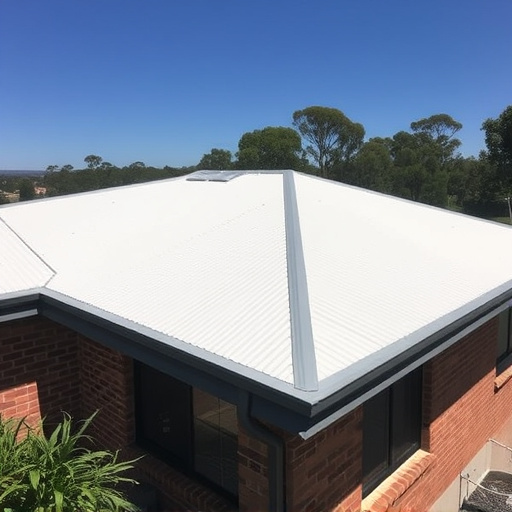
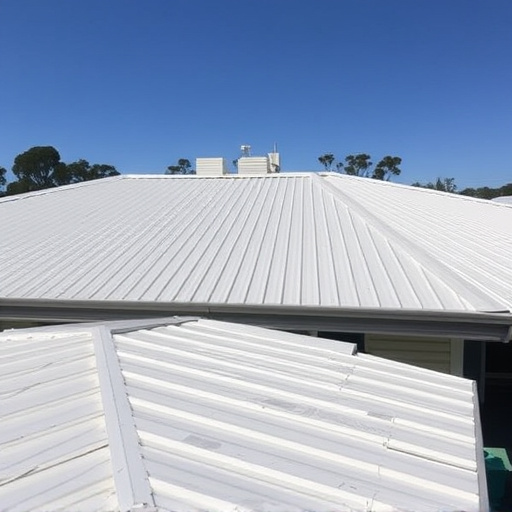
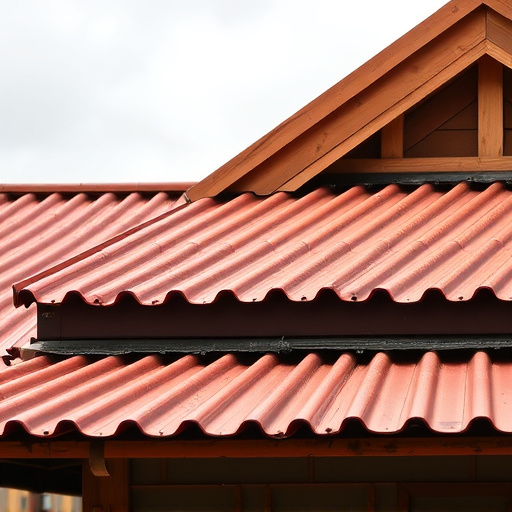
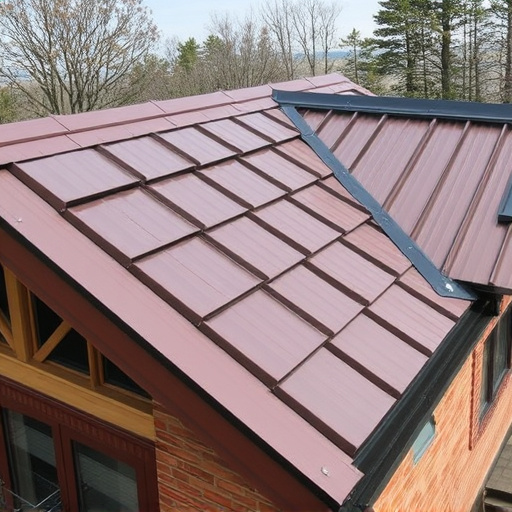
Colorbond roof Bendigo refers to the use of color-coated steel roofing sheets, specifically designed to offer both durability and aesthetic appeal. These sheets are manufactured by Colorbond, a brand renowned for its high-quality, long-lasting steel products. The unique selling point lies in the vibrant colors available, which can be tailored to suit various architectural styles and personal preferences.
Core Components:
- Steel Sheets: The foundation of a Colorbond roof is lightweight yet robust steel sheets. These are coated with a specialized paint that forms a protective barrier against corrosion and environmental factors.
- Coating Technology: Colorbond employs advanced coating techniques, ensuring the paint adheres well to the steel and provides excellent durability. The coating also offers UV protection, preventing color fading over time.
- Color Options: A vast array of colors are available, catering to diverse design tastes. From classic metals like Silver and Charcoal to bolder shades like Blood Orange and Deep Blue, there’s a Colorbond roof for every style.
- Fixing Systems: Specialized fixing systems secure the sheets, ensuring wind resistance and long-term performance. These systems include clips, screws, and other hardware designed for easy installation and maintenance.
A Historical Journey: Evolution of Colorbond Roofs
The concept of color-coated steel roofing has a rich history, dating back to the late 19th century when early forms of galvanized steel sheets were introduced. However, it was in the mid-20th century that significant advancements led to the birth of modern Colorbond roofs:
- 1930s-1940s: The development of coated steel sheets began as a solution for harsh weather conditions, especially in coastal areas. These early coatings, while functional, lacked the durability and color variety we see today.
- 1960s: Colorbond’s predecessor, Color Steel, emerged in Australia, offering improved paint adhesion and longer-lasting colors. This marked a significant step towards the robust system we know today.
- 1970s-1980s: The introduction of advanced coating technologies revolutionized the industry. These innovations enabled Colorbond to offer a wide range of vibrant colors, making steel roofing an attractive option for residential and commercial properties.
- 1990s onwards: With continued technological advancements, Colorbond roofs became increasingly popular globally. Their durability, low maintenance, and customizable aesthetics made them a preferred choice for builders and homeowners alike. Today, they are a staple in many urban areas, including Bendigo.
Global Impact and Trends: A World Embracing Colorbond
The influence of Colorbond Roof Bendigo extends far beyond Australia’s borders, with its unique blend of functionality and design appealing to diverse markets worldwide. Here’s a glimpse into its global impact and emerging trends:
| Region |
Trends and Adoption |
| Australia |
Colorbond roofs are deeply ingrained in Australian culture, with over 70% of new homes featuring this roofing option. The diverse color range caters to the country’s unique architectural styles. |
| New Zealand |
Gaining popularity due to its durability and energy-efficient properties, Colorbond is now a top choice for eco-conscious homeowners. |
| North America |
The US and Canada have seen a rise in steel roofing, with Colorbond leading the way thanks to its high-quality standards and attractive colors. |
| Europe |
In countries like Germany and the UK, steel roofing is gaining traction due to its longevity and low maintenance requirements. Colorbond’s presence is growing as a result. |
| Asia Pacific |
The region’s rapid urbanization and increasing demand for aesthetically pleasing homes drive Colorbond adoption. Countries like China and India are significant markets. |
Economic Considerations: Market Dynamics and Investment Scenarios
The economic landscape surrounding Colorbond Roof Bendigo is dynamic and multifaceted, with various factors influencing its market position:
- Market Size: The global steel roofing market, dominated by Colorbond, is valued at USD 12.5 billion (2022) and expected to grow at a CAGR of 6.2% from 2023 to 2030 [Source: MarketWatch]. This growth is primarily driven by the increasing demand for durable and low-maintenance roofing solutions.
- Investment Patterns: Real estate investors often view Colorbond roofs as a value-add feature, increasing property appeal and potentially raising rental rates or sale prices. This perception has led to increased investment in Colorbond-equipped properties.
- Cost Analysis: While the initial cost of Colorbond roofs may be higher than traditional materials, their longevity and low maintenance reduce long-term expenses. Many builders offer competitive pricing due to the growing demand, making it an affordable option for homeowners.
- Regional Disparities: Economic factors vary across regions, impacting Colorbond adoption. In developing markets, cost considerations might delay widespread acceptance, while established economies show stronger demand.
Technological Advancements: Pushing the Boundaries of Steel Roofing
Continuous innovation in materials science and manufacturing has propelled Colorbond roofs to new heights. Here are some significant technological breakthroughs:
- Advanced Coating Formulas: Newer coatings offer improved UV resistance, enhanced paint adhesion, and better corrosion protection. These innovations ensure that colors remain vibrant for longer periods, even in harsh environmental conditions.
- 3D Texturing: Some manufacturers are experimenting with 3D texturing on steel sheets, adding depth and dimension to the roofing surface. This not only enhances aesthetics but also improves weather resistance.
- Smart Integration: The integration of smart technology in Colorbond roofs is an emerging trend. Sensors can monitor roof health, detect leaks, and provide real-time data for maintenance, ensuring optimal performance.
- Digital Design Tools: Online design platforms allow homeowners to visualize various Colorbond color options and styles on their properties, streamlining the decision-making process.
Policy and Regulation: Navigating Legal Waters
The development and deployment of Colorbond roofs are guided by a web of policies and regulations that vary across jurisdictions. These frameworks ensure consumer protection, promote safety, and regulate the industry:
- Building Codes: Local building codes dictate acceptable roofing materials and methods. In many cities, including Bendigo, Colorbond roofs are explicitly approved, ensuring they meet structural integrity standards.
- Environmental Regulations: As an eco-friendly option, Colorbond aligns with many regions’ environmental policies. Its long lifespan reduces waste, and recycling programs further minimize its ecological footprint.
- Product Safety Standards: Organizations like AS/NZS (Australian/New Zealand Standard) set guidelines for steel roofing products, including Colorbond. These standards ensure product quality and safety.
- Incentives and Subsidies: Some governments offer financial incentives for using energy-efficient materials, such as Colorbond, encouraging environmentally conscious choices.
Challenges and Criticisms: Overcoming Obstacles
Despite its numerous advantages, Colorbond Roof Bendigo faces certain challenges and criticisms that require strategic solutions:
- Initial Cost: The higher upfront cost of Colorbond roofs compared to traditional materials can be a barrier for some homeowners. However, long-term savings through reduced maintenance and improved energy efficiency counter this concern.
- Weather Concerns: While modern coatings offer superior protection, extreme weather events may still pose challenges. Advanced design and proper installation mitigate these risks, ensuring the roof’s longevity.
- Limited Customization: Some critics argue that Colorbond lacks the customizability of traditional roofing materials. However, the vast color range and various styles available cater to diverse tastes, allowing for creative expressions.
- Installation Expertise: Proper installation is crucial for optimal performance. Insufficient skill or knowledge can lead to issues. Addressing this through training programs and licensed installers ensures quality work.
Case Studies: Real-World Success Stories
1. The Eco-Friendly Transformation of a Historical Building
In the heart of Bendigo, an old warehouse was given a new lease of life with Colorbond roofing. The project aimed to preserve the building’s historical character while incorporating sustainable practices. The chosen palette featured earthy tones, reflecting the nearby natural landscapes. This blend of preservation and modern design won the project numerous awards, showcasing how Colorbond can enhance heritage sites.
2. Residential Oasis: A Modern Family Home
A family in a suburb of Bendigo sought a roofing solution that matched their contemporary home design. They opted for a vibrant, custom-colored Colorbond roof, complementing the sleek lines and extensive glass features of their residence. The result was a stunning visual impact, with the unique color setting their home apart while maintaining exceptional durability.
3. Commercial Revitalization: A Buzzing City Center
A major city revitalization project in Bendigo incorporated Colorbond roofing as a central design element. The chosen colors and styles reflected the vibrant energy of the burgeoning city center, creating a cohesive and aesthetically pleasing environment. This case highlights how Colorbond can contribute to urban renewal efforts.
Future Prospects: Emerging Trends and Strategic Considerations
The future of Colorbond Roof Bendigo looks promising, with several growth areas and emerging trends shaping its trajectory:
- Sustainability Focus: As environmental concerns grow, the industry will continue to emphasize eco-friendly practices. Colorbond’s long lifespan and recyclability make it a sustainable choice, and further innovations in coating technology will enhance these benefits.
- Smart Homes Integration: The integration of smart home technologies with roofing systems is likely to increase. Sensors and connected devices will enable remote monitoring and control, improving energy efficiency and roof maintenance.
- Customized Aesthetics: With advancements in digital design tools, homeowners will have even more options for personalized roofs. Virtual reality visualization and 3D printing may revolutionize custom color and style creation.
- Global Market Expansion: Emerging markets, particularly in Asia and Africa, present significant growth opportunities. As urbanization accelerates, the demand for affordable, durable roofing solutions like Colorbond is expected to rise.
Conclusion: A Revolution in Steel Roofing
Colorbond Roof Bendigo stands as a testament to human ingenuity and our relentless pursuit of innovation. From its humble beginnings as coated steel sheets, it has evolved into a global phenomenon, offering durability, aesthetic appeal, and sustainability. As the world continues to embrace this revolutionary roofing concept, its impact on urban landscapes will only grow stronger.
FAQ Section: Answering Common Queries
Q1: Are Colorbond roofs suitable for all types of weather?
A: Modern Colorbond coatings provide excellent protection against various weather conditions. However, extreme events may require specific considerations, such as proper installation and additional reinforcement in high-wind regions.
Q2: How long do Colorbond roofs last?
A: With proper care and maintenance, Colorbond roofs can last for over 30 years, outperforming many traditional roofing materials. The durable coating ensures that the steel sheet remains intact, even in challenging conditions.
Q3: Can I customize the color of my Colorbond roof?
A: Absolutely! One of the biggest advantages of Colorbond is its wide range of colors and styles. You can choose a color that complements your home’s architecture or goes bold with a unique shade.
Q4: Are there any maintenance requirements for Colorbond roofs?
A: Minimal maintenance is one of the significant benefits of Colorbond. Regular cleaning and inspection are recommended, but unlike some materials, it doesn’t require frequent repainting or sealing.
Q5: How does Colorbond contribute to energy efficiency?
A: The reflective nature of Colorbond roofing helps reflect sunlight, reducing heat absorption in buildings. This can lead to significant energy savings, especially in warmer climates, making it an environmentally friendly choice.
Steeline Roofing Centre in Bendigo offers top-quality Colorbond roofs, renowned for their durability, low maintenance, and aesthetic versatility. Ideal for new builds and renovations, Colorbond provides superior performance against Australia…….
Continue Reading
Colorbond Roof Bendigo is a popular choice for both residential and commercial properties due to its superior durability, versatility, and aesthetic appeal. Manufactured by Bluescope Steel, these steel roofing sheets offer vibrant colors, low ma…….
Continue Reading
Steeline Roofing Centre Bendigo is a leading provider of Colorbond roofing solutions, offering a wide range of high-quality and durable options in various colours and styles. Their expert team ensures excellent performance, withstanding harsh we…….
Continue Reading
Steeline Roofing Centre Bendigo offers top-quality Colorbond roofing solutions, leveraging durable steel alloys coated with zinc-aluminium for strength and heat reflection. Their versatile sheets come in many colours, suiting diverse roof styles…….
Continue Reading
Steelee Roofing Centre Bendigo is your go-to expert for all roofing needs, providing high-quality Steeline Colorbond roof sheets and personalized solutions. Their experienced team offers a wide range of colors and styles, ensuring durable, low-m…….
Continue Reading
Steeline Roofing Centre Bendigo offers top-quality Colorbond roofing sheets, renowned for their durability and aesthetic appeal. Suitable for Australia's harsh conditions, these sheets come in various colours, enhancing curb appeal while re…….
Continue Reading
Steeline Roofing Centre Bendigo is a top-rated, locally accessible provider of Colorbond roofing solutions. They offer superior craftsmanship, durability, and aesthetic appeal with a wide range of colours and profiles for residential and commerc…….
Continue Reading
Colorbond roofs in Bendigo are a preferred choice for homeowners due to their superior quality, durability, and aesthetic appeal. Steeline Roofing Bendigo offers expert installation services using high-grade aluminium zinc composite material. Wi…….
Continue Reading
Colorbond roofs have become a popular choice in Bendigo due to their superior quality and durability. Steeline Roofing Centre Bendigo is a leading supplier, offering top-quality Colorbond roof solutions at 6 Harrien Ct, Epsom VIC 3551, Australia…….
Continue Reading
Steeline Roofing Centre Bendigo offers high-quality Colorbond roofing solutions for both homeowners and contractors. With experienced professionals, they provide expert advice, a wide selection of colors and styles, and excellent service. Their…….
Continue Reading
Steeline Roofing Centre Bendigo is a trusted local provider of affordable and high-quality Colourbond roofing solutions for both residential and commercial properties. With an extensive range of options, expert guidance, and skilled professional…….
Continue Reading
Steeline Roofing Centre Bendigo is a local, trusted expert offering comprehensive roofing solutions, from repairs and replacements to new installations. Located at 6 Harrien Ct, Epsom VIC 3551, Australia, they provide exceptional craftsmanship,…….
Continue Reading
Steeline Roofing Centre Bendigo is a leading provider of Colorbond roof solutions for residential and commercial properties in Australia. They offer personalized advice, a wide range of stylish colors, and durable, low-maintenance roofing option…….
Continue Reading
Steeline Roofing Bendigo, located at 6 Harrien Ct, Epsom VIC 3551, Australia, is your local expert for high-quality Colorbond roofing solutions. They offer a wide range of aesthetically pleasing and durable Colorbond roof options tailored to ind…….
Continue Reading
Steeline Roofing Centre Bendigo is your local, trusted provider of Colorbond roofing solutions in the region. Based at 6 Harrien Ct, Epsom VIC 3551, Australia, their expert team offers tailored roofing options from repairs to new installations……..
Continue Reading
Steeline Roofing Centre Bendigo is a trusted source for Colorbond roofs, offering high-quality materials and expert services tailored to local climate and architectural styles. With an extensive color palette, durable construction, and expert in…….
Continue Reading
Steeline Roofing Centre Bendigo provides expert Colorbond roofing solutions with a focus on customer satisfaction. Their knowledgeable team offers personalized services, guiding clients through roof replacements and installations using a simple…….
Continue Reading
Colorbond Roof Bendigo offers superior quality, durability, and innovative steel technology for roofing solutions. With a variety of vibrant colors and exceptional weather resistance, it's an eco-friendly and aesthetically pleasing choice……..
Continue Reading
Steeline Roofing Centre Bendigo is your local, trusted source for high-quality Colorbond roofing solutions. Offering both online and in-store shopping options, they cater to residential and commercial projects with a diverse range of styles, col…….
Continue Reading